
 A group of doctoral students from the
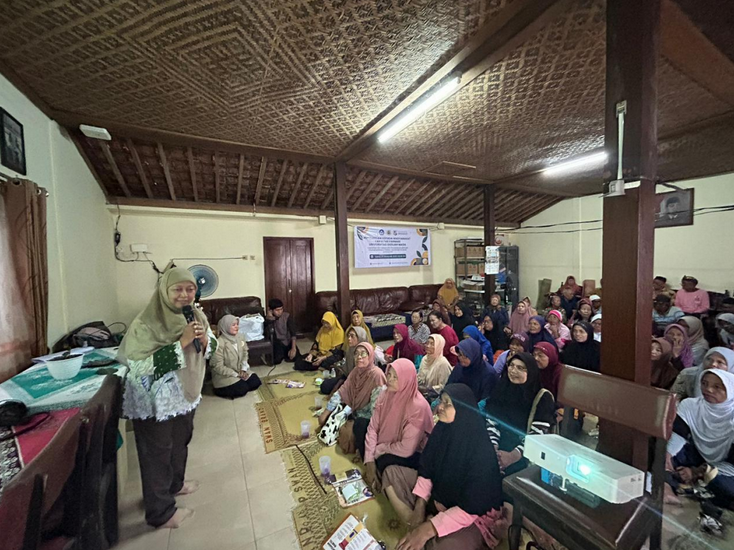 Doctoral Program in Pharmaceutical Sciences, Faculty of Pharmacy, Universitas Gadjah Mada (UGM) conducted a Community Service Program entitled “Utilization of Home-Grown Medicinal Plants as Antidiabetic Herbal Beverages for Health” on Saturday, December 20, 2025. The activity was held at the Kalasan Elderly School, Padukuhan Kadirojo I, Purwomartani Village, Kalasan District, Sleman Regency, Special Region of Yogyakarta.
This community engagement activity targeted the elderly population, who are particularly vulnerable to non-communicable diseases, especially diabetes mellitus. A total of 120 participants took part in the program, consisting of 100 elderly participants and 20 elderly health cadres. The Kalasan Elderly School is an extension of the Elderly Family Development Program (Bina Keluarga Lansia/BKL BIMA) and is recognized as one of the earliest elderly schools in the Kadirojo I area actively promoting community-based health education.
The head of the community service team, Shoma Rizkifani, stated that the activit aimed to improve elderly awareness and understanding of diabetes mellitus while introducing the potential of home-grown medicinal plants as a complementary approach to health management. “The utilization of home-grown plants is expected to provide an accessible, affordable, and sustainable health-supporting option for the community, without replacing standard medical treatment,” he explained.
The event was attended by the Head of Kadirojo I Hamlet, academic supervisors, and elderly health cadres. In his welcoming remarks, the Head of the Hamlet expressed appreciation for the community service initiative carried out by UGM students. He emphasized the importance of sustainable and continuous health education programs, as they provide tangible benefits in strengthening community health literacy and self-reliance among the elderly.
The activity began with participant registration, an elderly exercise session, and an official opening by the master of ceremonies. This was followed by an educational session on diabetes mellitus, covering risk factors, prevention strategies, and the importance of healthy lifestyle management in older adults. The material was delivered in an interactive manner and tailored to the characteristics of elderly participants to ensure clarity and practical application in daily life.
 In the subsequent session, the community service team introduced the potential of home-grown medicinal plants as antidiabetic herbal beverages, with particularemphasis on safety, effectiveness, and rational use. One of the main plants highlighted during the activity was Binahong (Anredera cordifolia), which was selected due to its ease of cultivation, widespread recognition among the community, and reported pharmacological potential in supporting blood glucose control.
The team explained that binahong contains various bioactive compounds, including flavonoids, saponins, and polyphenols, which are associated with antioxidant activity and may contribute to improved insulin sensitivity. Participants were also educated on proper plant selection, hygienic processing methods, and safe preparation techniques to ensure the stability of active compounds and minimize health risks, particularly for elderly individuals.
In addition to lectures, the program incorporated educational video screenings, interactive discussion sessions, and the distribution of evaluation questionnaires. Participants demonstrated high enthusiasm, especially during discussions related to the safe use of herbal products alongside prescribed antidiabetic medications. The team emphasized that herbal beverages should be regarded as complementary therapy and should not replace medical treatment prescribed by healthcare professionals.
One of the academic supervisors, Dr. apt. Fita Rahmawati, Sp.FRS, highlighted that the activity represents the role of pharmacy academics in strengthening health promotion and disease prevention at the community level. She noted that educational and participatory approaches based on local resources are essential in fostering sustainable health practices, particularly among elderly populations.
Evaluation results indicated a high level of participant satisfaction, with the majority of elderly health cadres expressing strong agreement that the materials were clearly delivered, beneficial, and relevant to their needs. Participants also agreed that similar activities should be continued in the coming years to maintain and enhance the health and well-being of the elderly community.
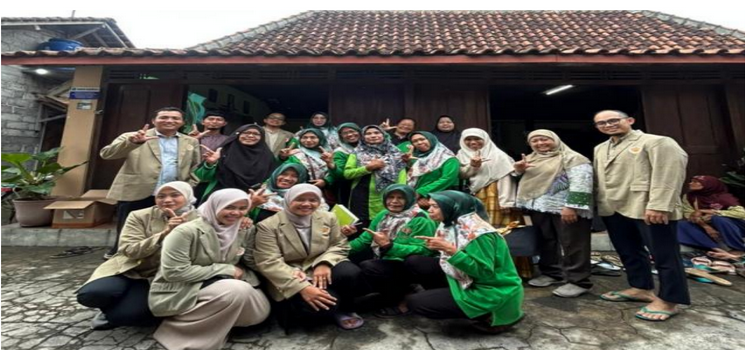
The program concluded with the distribution of door prizes, a group photo session, and a warm closing ceremony. Overall, the community service activity successfully improved participants’ knowledge regarding diabetes mellitus and the safe utilization of home-grown medicinal plants, while also strengthening the role of elderly health cadres as key agents in promoting community health.
This activity aligns with Universitas Gadjah Mada’s commitment to supporting the Sustainable Development Goals (SDGs), particularly the goal of ensuring healthy lives and promoting well-being for all ages, through educational, participatory, and locally based approaches. The community service team hopes that this model can be replicated in other elderly communities as part of broader preventive and promotive strategies for managing chronic diseases.